Plenary speakers
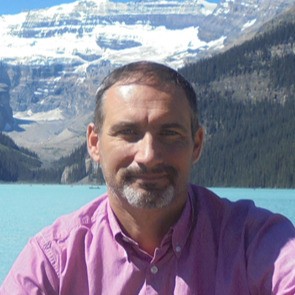
Gianfranco Romanazzi
Marche Polytechnic University, Ancona, Italy
Gianfranco Romanazzi is a full professor in Plant Pathology at Marche Polytechnic University, who has a degree in Agricultural Sciences (1995) and a PhD in Crop Protection (1999) at the University of Bari. He is interested in sustainable approaches for plantprotection, along with detecting, monitoring, and characterising plant pathogens. For 30 years, he has investigated the effectiveness of chitosan in plant protection and the involvedmechanisms of action. Prof. Romanazzi coordinates a list of national and international projects, including PRIMA“Innovative Sustainable technologies TO extend the shelf-life of Perishable MEDiterraneanfresh fruit, vegetables and aromatic plants and to reduce WASTE – StopMedWaste”, MAECIItaly-China “Biosynthesis regulation of metabolic markers and correlation with quality safetyduring fruit Decay” (BioQuaSa), the Euphresco Network “Basic substances as anenvironmentally friendly alternative to synthetic pesticides for plant protection (BasicS)”, and the COST FA22134 Action “Sustainable Network for agrofood loss and waste prevention, management, quantification and valorisation (FoodWaStop)”. He is in the Author of 177 publications indexed in Scopus database (over 7000 citations and h-index of 48).
Gianfranco Romanazzi
Marche Polytechnic University, Ancona, Italy
Gianfranco Romanazzi is a full professor in Plant Pathology at Marche Polytechnic University, who has a degree in Agricultural Sciences (1995) and a PhD in Crop Protection (1999) at the University of Bari. He is interested in sustainable approaches for plantprotection, along with detecting, monitoring, and characterising plant pathogens. For 30 years, he has investigated the effectiveness of chitosan in plant protection and the involvedmechanisms of action. Prof. Romanazzi coordinates a list of national and international projects, including PRIMA“Innovative Sustainable technologies TO extend the shelf-life of Perishable MEDiterraneanfresh fruit, vegetables and aromatic plants and to reduce WASTE – StopMedWaste”, MAECIItaly-China “Biosynthesis regulation of metabolic markers and correlation with quality safetyduring fruit Decay” (BioQuaSa), the Euphresco Network “Basic substances as anenvironmentally friendly alternative to synthetic pesticides for plant protection (BasicS)”, and the COST FA22134 Action “Sustainable Network for agrofood loss and waste prevention, management, quantification and valorisation (FoodWaStop)”. He is in the Author of 177 publications indexed in Scopus database (over 7000 citations and h-index of 48).
Gianfranco Romanazzi
Marche Polytechnic University, Ancona, Italy
Gianfranco Romanazzi is a full professor in Plant Pathology at Marche Polytechnic University, who has a degree in Agricultural Sciences (1995) and a PhD in Crop Protection (1999) at the University of Bari. He is interested in sustainable approaches for plantprotection, along with detecting, monitoring, and characterising plant pathogens. For 30 years, he has investigated the effectiveness of chitosan in plant protection and the involvedmechanisms of action. Prof. Romanazzi coordinates a list of national and international projects, including PRIMA“Innovative Sustainable technologies TO extend the shelf-life of Perishable MEDiterraneanfresh fruit, vegetables and aromatic plants and to reduce WASTE – StopMedWaste”, MAECIItaly-China “Biosynthesis regulation of metabolic markers and correlation with quality safetyduring fruit Decay” (BioQuaSa), the Euphresco Network “Basic substances as anenvironmentally friendly alternative to synthetic pesticides for plant protection (BasicS)”, and the COST FA22134 Action “Sustainable Network for agrofood loss and waste prevention, management, quantification and valorisation (FoodWaStop)”. He is in the Author of 177 publications indexed in Scopus database (over 7000 citations and h-index of 48).
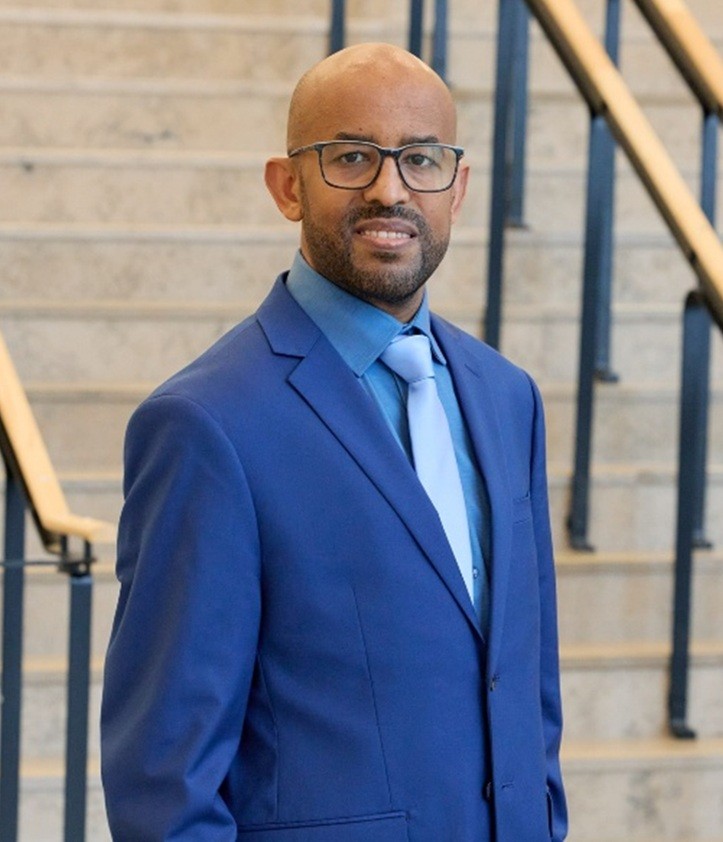
Tizazu H. Mekonnen
University of Waterloo, Canada
Dr. Tizazu H. Mekonnen is a Professor in the Department of Chemical Engineering at the University of Waterloo (UW), where he holds the Tier II Canada Research Chair in Sustainable Multiphase Polymers. Prior to joining academia, he worked as a polymer scientist at E.I. DuPont in both Canada and the United States. Over the past eight years at UW, Dr. Mekonnen has established a highly impactful research program focused on advancing the sustainability of polymers, plastics, and rubber. His work centers on the design of eco-friendly and biodegradable materials, innovations in both mechanical and advanced recycling, and the development of functional polymer systems for applications such as water treatment, food packaging, CO₂ capture, thermal insulation, and radiation shielding. Dr. Mekonnen has built extensive collaborations across academia, industry, and government, enabling the growth of a globally recognized research group in sustainable multiphase polymers. His research outputs include over 180 peer-reviewed journal publications in leading journals and 16 patent applications (six granted). His work has been cited more than 9,600 times, with an h-index of 51 (Google Scholar). In recognition of his contributions, Dr. Mekonnen has received several prestigious awards, including the Chemical Institute of Canada (CIC) Early Career Award in Macromolecular Science and Engineering and the CILAR Innovation Award (2023).
Tizazu H. Mekonnen
University of Waterloo, Canada
Dr. Tizazu H. Mekonnen is a Professor in the Department of Chemical Engineering at the University of Waterloo (UW), where he holds the Tier II Canada Research Chair in Sustainable Multiphase Polymers. Prior to joining academia, he worked as a polymer scientist at E.I. DuPont in both Canada and the United States. Over the past eight years at UW, Dr. Mekonnen has established a highly impactful research program focused on advancing the sustainability of polymers, plastics, and rubber. His work centers on the design of eco-friendly and biodegradable materials, innovations in both mechanical and advanced recycling, and the development of functional polymer systems for applications such as water treatment, food packaging, CO₂ capture, thermal insulation, and radiation shielding. Dr. Mekonnen has built extensive collaborations across academia, industry, and government, enabling the growth of a globally recognized research group in sustainable multiphase polymers. His research outputs include over 180 peer-reviewed journal publications in leading journals and 16 patent applications (six granted). His work has been cited more than 9,600 times, with an h-index of 51 (Google Scholar). In recognition of his contributions, Dr. Mekonnen has received several prestigious awards, including the Chemical Institute of Canada (CIC) Early Career Award in Macromolecular Science and Engineering and the CILAR Innovation Award (2023).
Tizazu H. Mekonnen
University of Waterloo, Canada
Dr. Tizazu H. Mekonnen is a Professor in the Department of Chemical Engineering at the University of Waterloo (UW), where he holds the Tier II Canada Research Chair in Sustainable Multiphase Polymers. Prior to joining academia, he worked as a polymer scientist at E.I. DuPont in both Canada and the United States. Over the past eight years at UW, Dr. Mekonnen has established a highly impactful research program focused on advancing the sustainability of polymers, plastics, and rubber. His work centers on the design of eco-friendly and biodegradable materials, innovations in both mechanical and advanced recycling, and the development of functional polymer systems for applications such as water treatment, food packaging, CO₂ capture, thermal insulation, and radiation shielding. Dr. Mekonnen has built extensive collaborations across academia, industry, and government, enabling the growth of a globally recognized research group in sustainable multiphase polymers. His research outputs include over 180 peer-reviewed journal publications in leading journals and 16 patent applications (six granted). His work has been cited more than 9,600 times, with an h-index of 51 (Google Scholar). In recognition of his contributions, Dr. Mekonnen has received several prestigious awards, including the Chemical Institute of Canada (CIC) Early Career Award in Macromolecular Science and Engineering and the CILAR Innovation Award (2023).

Anna Sandak
InnoRenew CoE, UP IAM & UP FAMNIT, University of Primorska, Slovenia
Anna Sandak is an associate professor at the University of Primorska, where she leads the Materials Group at the InnoRenew CoE Department. Her academic background bridges biology and wood science. Before moving to Slovenia, she worked at the National Research Council (CNR-IVALSA) in Italy. In her 18-year scientific career, she has contributed to over 30 research projects, leading 12 of them, and supervising 4 MSCA postdoctoral researchers. In 2022, Dr. Sandak was awarded the ERC Consolidator Grant for the ARCHI-SKIN project, which develops a living coatings system based on a fungal biofilm. Her study on probiotic architecture continues within the REMEDY project, awarded under the European Innovation Council Pathfinder call, which she coordinates. Dr. Sandak represents research and academia on the European Commission’s Technology Council for Advanced Materials and serves on the Management Board of the New European Bauhaus Academy Pioneer Hub, the steering committee of the EIC’s Engineered Living Materials portfolio, and the Research and Innovation working group of WoodPop. Her research focuses on the intersection of biotech and advanced materials, with a particular emphasis on exploiting renewable materials and engineered living systems to revolutionize the construction industry. By integrating biotechnology with traditional building practices, she aims to create resilient, eco-friendly structures that adapt and evolve with their environments, setting new sustainability standards in the built environment.
Anna Sandak
InnoRenew CoE, UP IAM & UP FAMNIT, University of Primorska, Slovenia
Anna Sandak is an associate professor at the University of Primorska, where she leads the Materials Group at the InnoRenew CoE Department. Her academic background bridges biology and wood science. Before moving to Slovenia, she worked at the National Research Council (CNR-IVALSA) in Italy. In her 18-year scientific career, she has contributed to over 30 research projects, leading 12 of them, and supervising 4 MSCA postdoctoral researchers. In 2022, Dr. Sandak was awarded the ERC Consolidator Grant for the ARCHI-SKIN project, which develops a living coatings system based on a fungal biofilm. Her study on probiotic architecture continues within the REMEDY project, awarded under the European Innovation Council Pathfinder call, which she coordinates. Dr. Sandak represents research and academia on the European Commission’s Technology Council for Advanced Materials and serves on the Management Board of the New European Bauhaus Academy Pioneer Hub, the steering committee of the EIC’s Engineered Living Materials portfolio, and the Research and Innovation working group of WoodPop. Her research focuses on the intersection of biotech and advanced materials, with a particular emphasis on exploiting renewable materials and engineered living systems to revolutionize the construction industry. By integrating biotechnology with traditional building practices, she aims to create resilient, eco-friendly structures that adapt and evolve with their environments, setting new sustainability standards in the built environment.
Anna Sandak
InnoRenew CoE, UP IAM & UP FAMNIT, University of Primorska, Slovenia
Anna Sandak is an associate professor at the University of Primorska, where she leads the Materials Group at the InnoRenew CoE Department. Her academic background bridges biology and wood science. Before moving to Slovenia, she worked at the National Research Council (CNR-IVALSA) in Italy. In her 18-year scientific career, she has contributed to over 30 research projects, leading 12 of them, and supervising 4 MSCA postdoctoral researchers. In 2022, Dr. Sandak was awarded the ERC Consolidator Grant for the ARCHI-SKIN project, which develops a living coatings system based on a fungal biofilm. Her study on probiotic architecture continues within the REMEDY project, awarded under the European Innovation Council Pathfinder call, which she coordinates. Dr. Sandak represents research and academia on the European Commission’s Technology Council for Advanced Materials and serves on the Management Board of the New European Bauhaus Academy Pioneer Hub, the steering committee of the EIC’s Engineered Living Materials portfolio, and the Research and Innovation working group of WoodPop. Her research focuses on the intersection of biotech and advanced materials, with a particular emphasis on exploiting renewable materials and engineered living systems to revolutionize the construction industry. By integrating biotechnology with traditional building practices, she aims to create resilient, eco-friendly structures that adapt and evolve with their environments, setting new sustainability standards in the built environment.
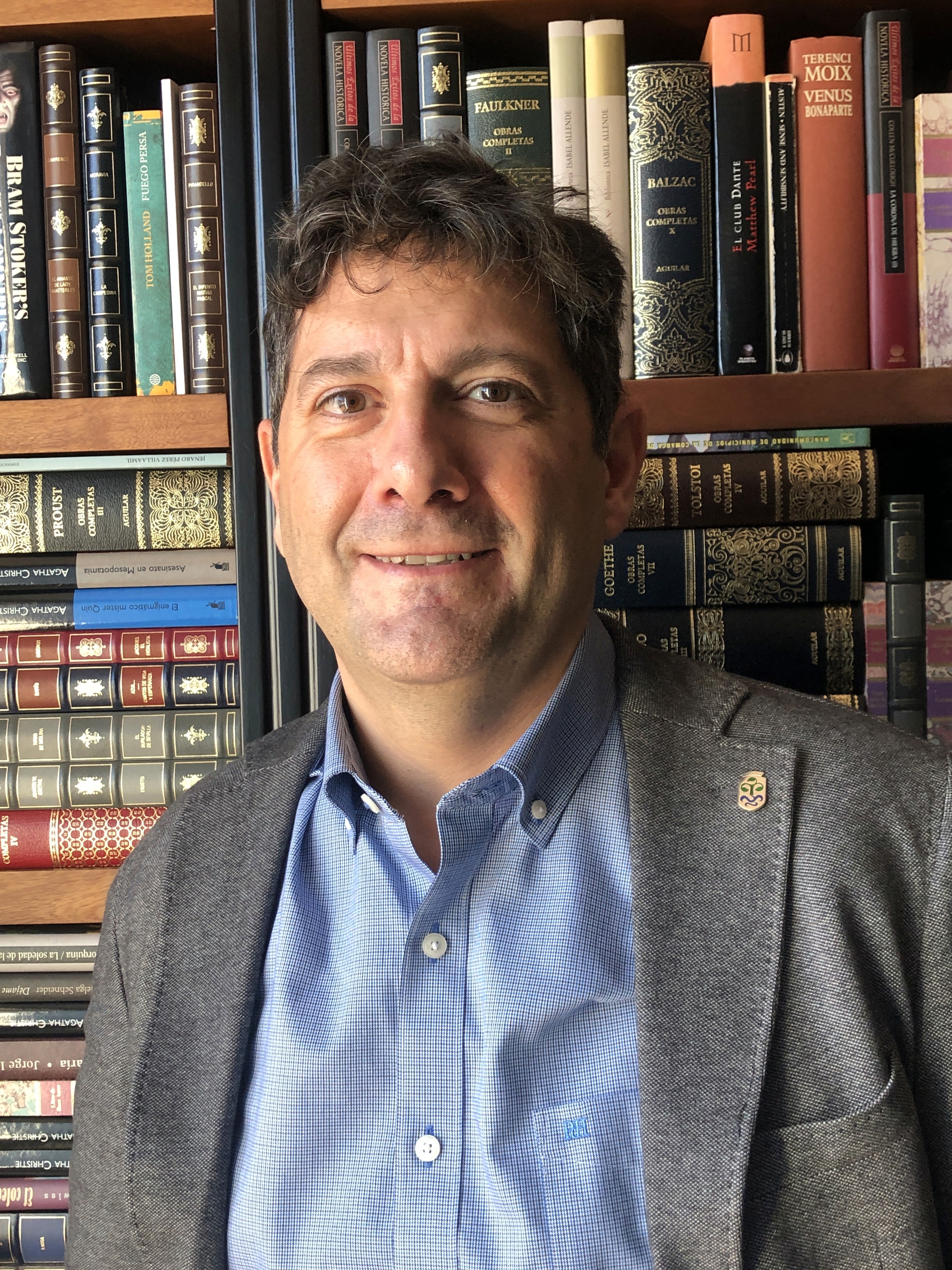
José Manuel Domínguez González
Universidad de Vigo, Spain
José Manuel Domínguez González is Full Professor of Chemical Engineering at the University of Vigo (Spain). He holds a PhD in Chemistry (Cum Laude) and has developed his entire academic career at the University of Vigo, where he leads the research group BiotecnIA – Industrial Biotechnology and Environmental Engineering. His research focuses on biomass valorisation, biorefineries, industrial biotechnology and bioprocess engineering, with particular emphasis on the sustainable production of high-value compounds from agro-industrial residues. He has authored more than 180 scientific articles in JCR-indexed journals, many of them in Q1, and has an h-index above 50, reflecting a strong international impact. Professor Domínguez has been principal investigator of numerous national and international research projects, including Horizon Europe initiatives such as PROMISEANG – Alternative PROteins from MIcrobial fermentation of non-conventional SEA sources for next-generation food, feed and non-food bio-based applications. He has supervised 16 PhD theses and has been actively involved in the training of young researchers. His work also includes significant technology transfer activities, with several patents and industrial collaborations in the bio-based, food and environmental sectors.
José Manuel Domínguez González
Universidad de Vigo, Spain
José Manuel Domínguez González is Full Professor of Chemical Engineering at the University of Vigo (Spain). He holds a PhD in Chemistry (Cum Laude) and has developed his entire academic career at the University of Vigo, where he leads the research group BiotecnIA – Industrial Biotechnology and Environmental Engineering. His research focuses on biomass valorisation, biorefineries, industrial biotechnology and bioprocess engineering, with particular emphasis on the sustainable production of high-value compounds from agro-industrial residues. He has authored more than 180 scientific articles in JCR-indexed journals, many of them in Q1, and has an h-index above 50, reflecting a strong international impact. Professor Domínguez has been principal investigator of numerous national and international research projects, including Horizon Europe initiatives such as PROMISEANG – Alternative PROteins from MIcrobial fermentation of non-conventional SEA sources for next-generation food, feed and non-food bio-based applications. He has supervised 16 PhD theses and has been actively involved in the training of young researchers. His work also includes significant technology transfer activities, with several patents and industrial collaborations in the bio-based, food and environmental sectors.
José Manuel Domínguez González
Universidad de Vigo, Spain
José Manuel Domínguez González is Full Professor of Chemical Engineering at the University of Vigo (Spain). He holds a PhD in Chemistry (Cum Laude) and has developed his entire academic career at the University of Vigo, where he leads the research group BiotecnIA – Industrial Biotechnology and Environmental Engineering. His research focuses on biomass valorisation, biorefineries, industrial biotechnology and bioprocess engineering, with particular emphasis on the sustainable production of high-value compounds from agro-industrial residues. He has authored more than 180 scientific articles in JCR-indexed journals, many of them in Q1, and has an h-index above 50, reflecting a strong international impact. Professor Domínguez has been principal investigator of numerous national and international research projects, including Horizon Europe initiatives such as PROMISEANG – Alternative PROteins from MIcrobial fermentation of non-conventional SEA sources for next-generation food, feed and non-food bio-based applications. He has supervised 16 PhD theses and has been actively involved in the training of young researchers. His work also includes significant technology transfer activities, with several patents and industrial collaborations in the bio-based, food and environmental sectors.
Invited speakers
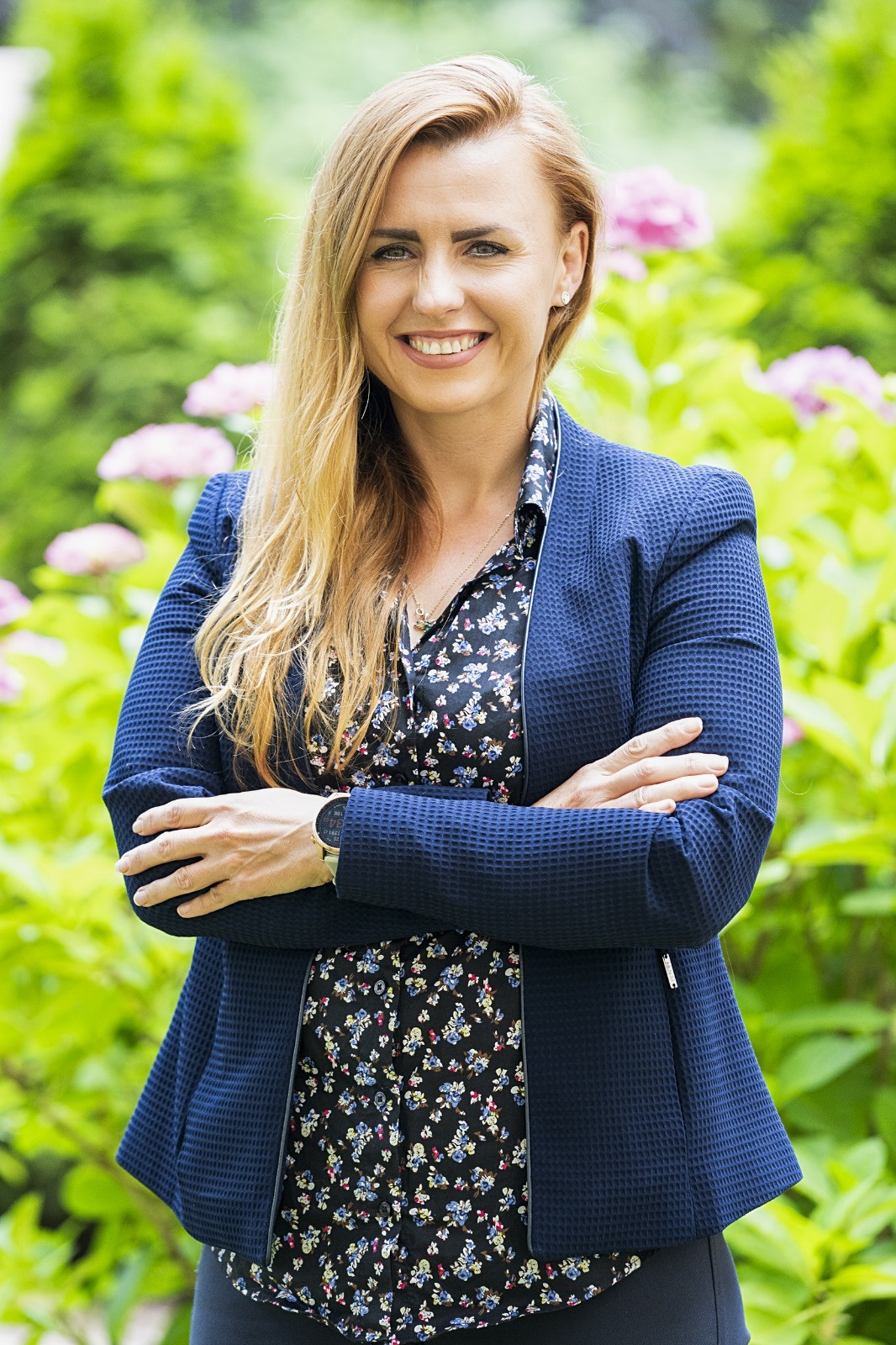
Sandra Paszkiewicz
Department of Materials Technologies, West Pomeranian University of Technology, Poland
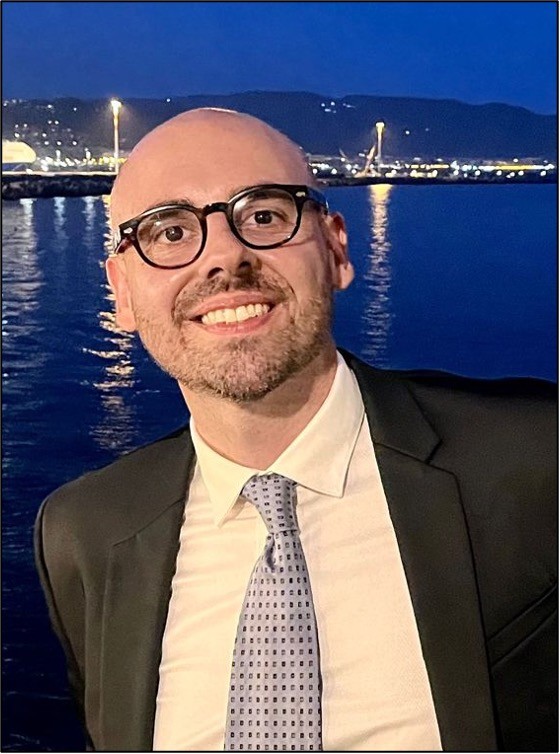
Aurelio Bifulco
Department of Chemical, Materials and Production Engineering, University of Naples Federico II, Italy
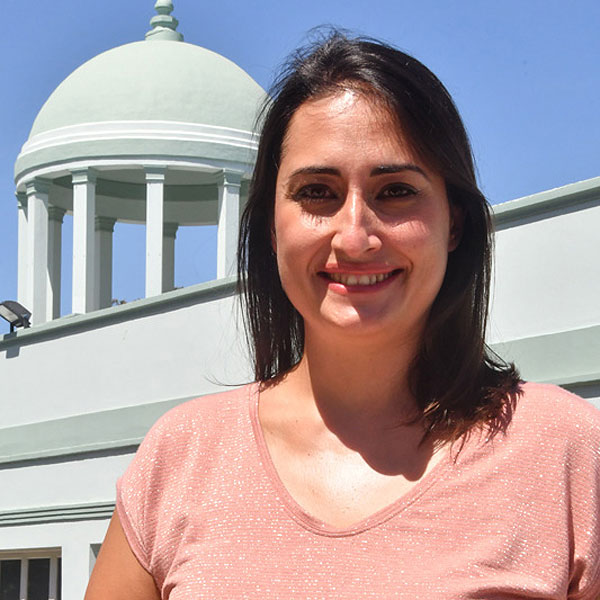
Zaida Ortega
Departamento de Ingeniería de Procesos, Universidad de Las Palmas de Gran Canaria, Spain
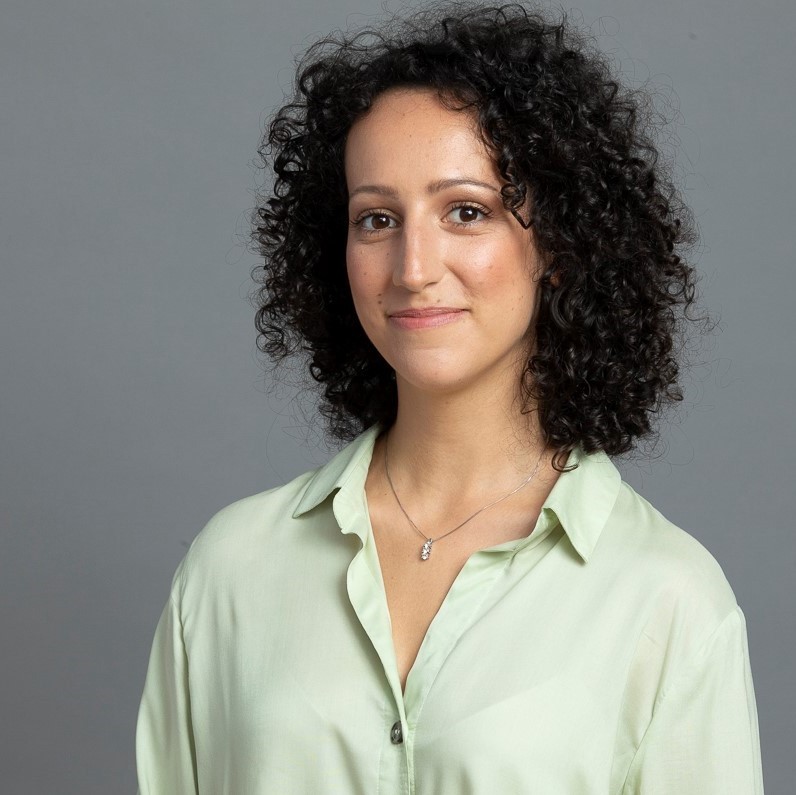
Giulia Fredi
Department of Industrial Engineering and INSTM Research Unit, University of Trento, Trento, Italy
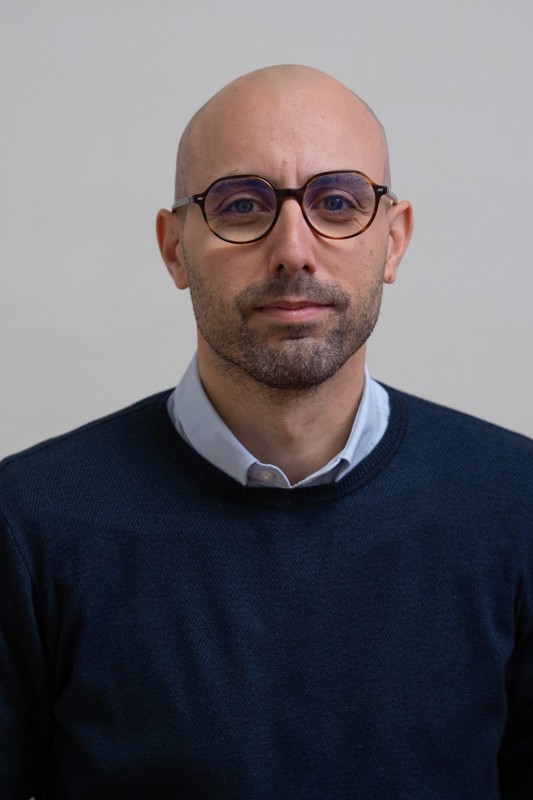
Vito Gigante
Department of Civil and Industrial Engineering, Multifunctional Bio-Ecocompatible Laboratories (MBEM-Lab), University of Pisa, Italy
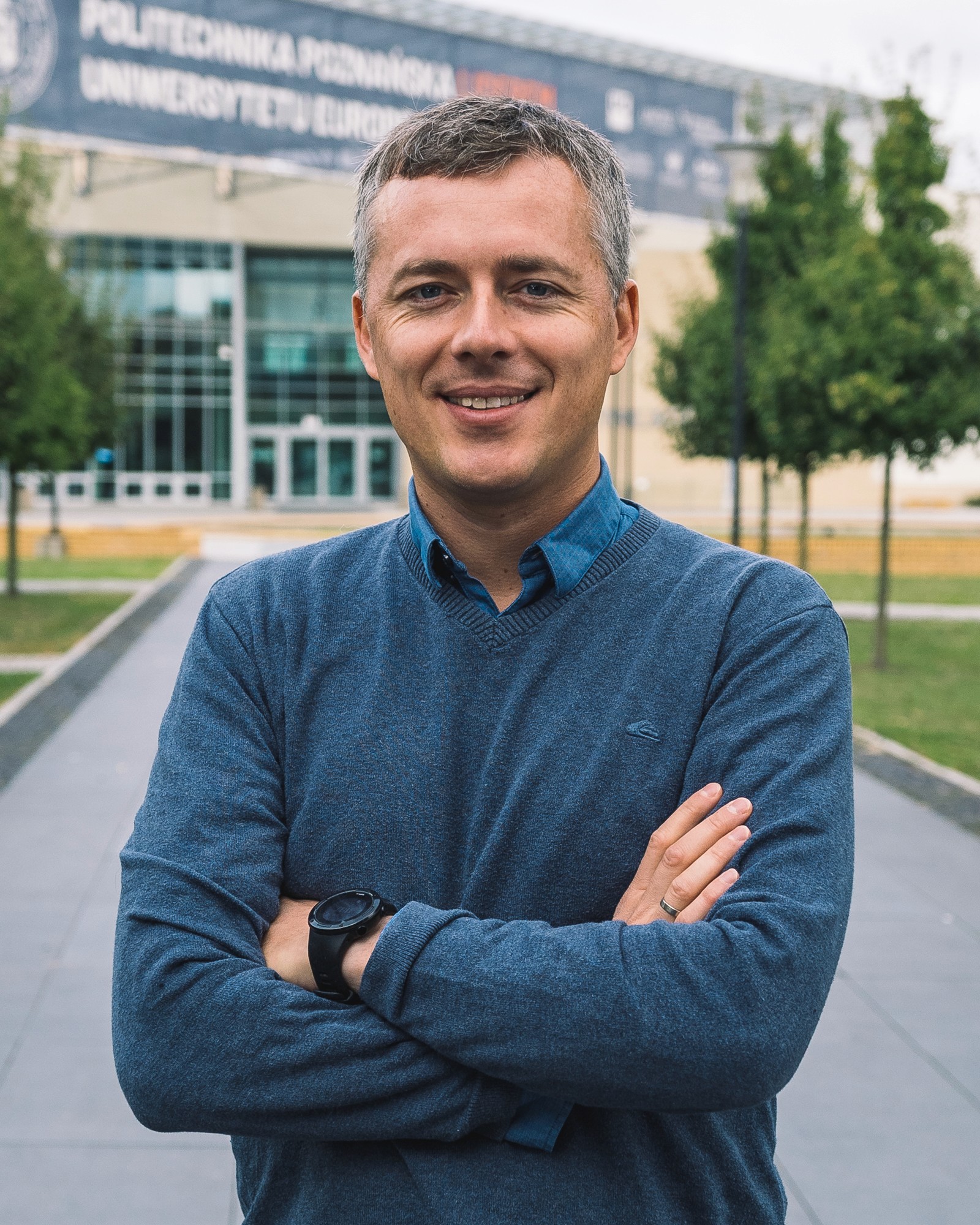
Piotr Oleśkowicz-Popiel
Water Supply and Bioeconomy Division, Poznan University of Technology, Poland
Aneta Magdziarz
Department of Heat Engineering and Environment Protection, AGH University of Krakow, Poland
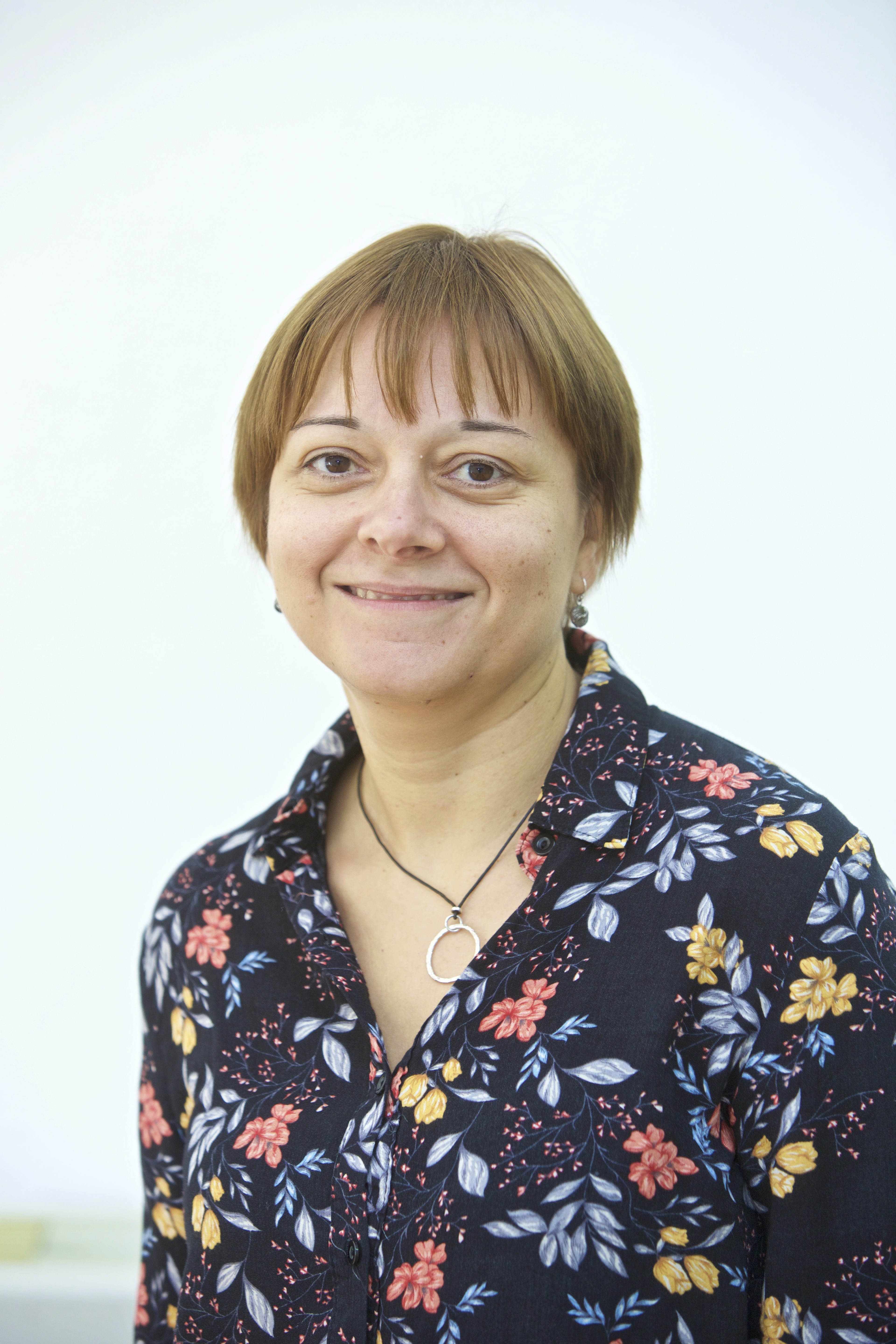
Mª Carmen Garrigós Selva
Grupo de investigación NANOBIOPOL Universidad de Alicante, Spain